Column · @finnidvf213
Hot Dog Facts Every Food Lover Should Know
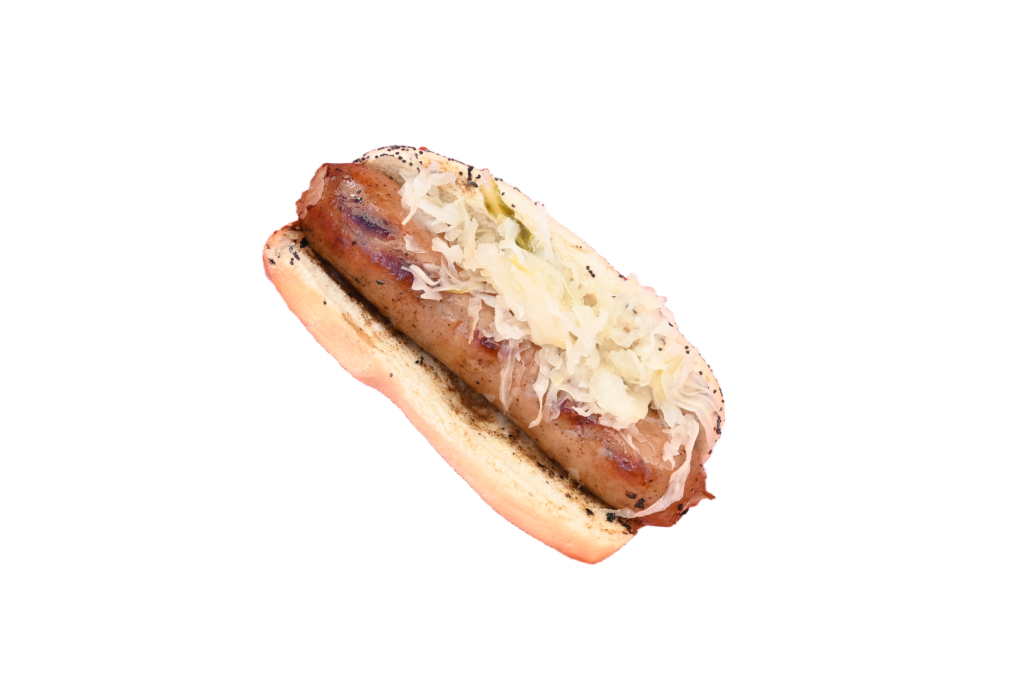

Few foods carry as much cultural baggage, nostalgia, and quiet technical complexity as the hot dog. It is easy to dismiss one as simple, even disposable, until you stand behind a grill for an afternoon, taste five brands side by side, or travel across the United States and realize that a hot dog in Chicago barely resembles one in Detroit, New York, or Sonoran country. What looks like a straightforward sausage in a bun is actually a compact lesson in meat science, immigration, industrial food history, regional identity, and cooking technique.
Food lovers tend to reach for grander subjects first. They will debate dry-aged ribeye, natural wine, or heirloom tomatoes with great seriousness, then treat the hot dog as a guilty pleasure. That misses the point. The hot dog rewards close attention. Texture matters. Casing matters. Bun temperature matters. The ratio of fat to lean matters. Even the snap you hear on the first bite tells you something real about how it was made.
The hot dog is a sausage with a long family tree
The modern hot dog is rooted in old European sausage traditions, especially the frankfurter and the wiener. Frankfurt and Vienna both have claims in the story, and the names themselves tell you a lot. “Frankfurter” points to Frankfurt, while “wiener” comes from Wien, the German name for Vienna. German-speaking immigrants brought sausage-making skills to the United States in the nineteenth century, where local production, new ingredients, and street-food culture gradually shaped the form people now recognize.
The bun came later as a practical companion. A portable sausage wrapped in bread makes immediate sense for vendors and customers alike, and by the late nineteenth and early twentieth centuries, the pairing had become familiar in American cities. There are folk tales about exactly who first put a sausage into a bun, but the broad truth matters more than a single disputed origin story: the hot dog became popular because it was cheap, filling, easy to eat by hand, and adaptable to local tastes.
That adaptability is still one of its strongest traits. A hot dog can be a factory-made supermarket staple, a carefully smoked butcher’s product, a ballpark icon, or a regionally specific specialty with fiercely defended toppings. Few foods move so easily between low and high, between convenience and craft.
What is actually in a hot dog
People often ask this in a suspicious tone, as if the answer must be dark or evasive. In reality, the answer varies by producer, price point, and style, but the basic process is not mysterious. A hot dog is an emulsified sausage. Meat is ground very finely, mixed with fat, water or ice, salt, and seasonings, then blended until the proteins bind the mixture into a smooth paste. That mixture is stuffed into casings, cooked, and often smoked.
The meat can be beef, pork, chicken, turkey, or a combination. All-beef hot dogs are especially common in some regions and in kosher-style markets. Mixed-meat franks have long been standard elsewhere. Good producers are usually clear about what they use, because consumers now read labels more carefully than they did a generation ago.
Salt does more than season. It helps extract myosin, a muscle protein that creates the sausage’s structure. Without that protein extraction, you do not get the springy, cohesive bite that defines a good hot dog. Spices vary, but garlic, paprika, coriander, black pepper, and mustard are common notes. Some franks lean smoky, some sweeter, some more aggressively seasoned. The best versions taste deliberate, not anonymous.
There is also a meaningful difference between hot dogs in natural casings and skinless ones. Natural casing, traditionally made from cleaned animal intestine, gives you that famous snap. Skinless hot dogs are cooked in casings that are removed later. They can still be enjoyable, but they rarely deliver the same bite. If you have ever wondered why a deli frank tastes more alive than a bargain pack from the cooler, casing is often part of the answer.
The snap is not a myth
People who love hot dogs tend to talk about snap with a level of affection that can seem excessive until you compare examples directly. A natural-casing hot dog resists slightly when you bite in, then gives way with a clean pop. That sensation changes the whole eating experience. It also helps contain juices, which matters when a frank is properly heated and not dried out.
Snap is especially prized in places with strong deli or street-cart traditions. In New York, for example, many people grew up associating a good hot dog with that brief crackle under the teeth. In my experience, once someone notices the difference between casing styles, it becomes hard to ignore. The texture contrast between the outer layer and the finely emulsified interior is a major part of the pleasure.
That said, not every hot dog needs to be a natural-casing frank to be worthwhile. Some classic chili dogs are actually better with a softer skinless frank, because the toppings dominate and the sausage acts as a mild, tender foundation. This is one of those food arguments where context matters more than purity.
Not all buns deserve a free pass
A weak bun ruins more hot dogs than overcooking does. That may sound dramatic, but anyone who has watched a bun split too early, collapse under relish, or turn gummy from steam knows the problem. The bun should be soft enough to compress around the sausage, yet sturdy enough to handle moisture and toppings.
Regional bun styles tell their own story. New England split-top buns, often associated with lobster rolls, make excellent hot dog buns because their flat sides toast beautifully on a griddle. In Chicago, poppy seed buns are part of the standard package. In Sonoran-style hot dogs, softer bolillo-style bread may appear. The bread is not an afterthought. It changes the architecture of every bite.
Temperature matters too. A bun served cold straight from the bag deadens the experience. Light steaming softens it. A quick toast or buttered griddle adds flavor and structure. For a plain frank with mustard, a steamed bun can be perfect. For a loaded chili dog, some toasting helps the bun survive.
America’s regional styles are a map of appetite
One of the best hot dog facts any food lover can learn is that there is no single American standard, only a cluster of local orthodoxies. Each one reflects immigrant influence, local ingredients, and the logic of the street or lunch counter.
A Chicago dog is the most theatrical expression of the form: an all-beef frank on a poppy seed bun with yellow mustard, neon green relish, chopped onion, tomato wedges, a pickle spear, sport peppers, and celery salt. It is a salad, a sausage, and an edible city argument. The famous “no ketchup” stance is partly taste and partly identity, though in practice people still do what they want at home.
A New York hot dog tends to be simpler. Mustard and a cooked onion sauce, often with a tomato base, remain iconic. The frank itself, especially when made by old-line producers, carries much of the flavor burden.
In Detroit, the Coney dog became its own institution, topped with a loose meat chili, mustard, and diced onions. Despite the name, the style is linked more to Greek and Macedonian immigrant restaurateurs than to New York’s Coney Island. In the Southwest, the Sonoran hot dog wraps the frank in bacon and loads it with beans, onion, tomato, sauces, and often jalapeño salsa. In Seattle, cream cheese entered the chat and somehow stayed.
These styles do not merely differ in toppings. They express different ideas about what a hot dog should be. Is it primarily a sausage? A delivery system for condiments? A late-night gut bomb? A regional badge? All of the above, depending on where you are standing.
Ballpark hot dogs taste different for reasons beyond nostalgia
Many people swear a hot dog at a stadium tastes better than one at home. Some of that is atmosphere, but not all of it. Ballparks often use griddles, roller grills, steam cabinets, or holding methods that alter texture in specific ways. The hot dog may spend time warming in a humid environment that plumps it before service. The bun is frequently steamed or warmed in bulk. Add salt, excitement, and a beer, and the result lands differently than a rushed Tuesday dinner.
There is also the matter of smell. Stadiums and street carts broadcast the scent of warm meat, onion, and toasted bread into open air, which primes appetite in a way a sealed kitchen package never can. Food scientists have long understood that aroma shapes flavor perception. The hot dog is one of the clearest everyday examples.
Still, nostalgia can forgive mediocrity. Some ballpark franks are excellent. Others are merely competent. A good local butcher’s natural-casing hot dog grilled over charcoal will beat many stadium versions on pure quality. But atmosphere is an ingredient too, and it counts.
Grilling, boiling, steaming, and griddling each produce a different hot dog
People argue over cooking methods because they are really arguing over desired texture. Boiling is fast and gentle, though a rolling boil can split casings and leach flavor. Steaming preserves moisture and works well for service in volume. Grilling brings smoke, char, and contrast, especially on all-beef franks. Griddling gives even browning and strong crust development where the sausage touches metal.
When I cook hot dogs for a crowd, I usually decide based on the style I am serving. For chili dogs, a griddle gives me browned flavor that stands up under sauce. For a classic mustard-and-onions setup, steaming or shallow simmering keeps the frank juicy. For backyard eating with fewer toppings, charcoal grilling is hard to beat, especially if you rotate carefully and avoid splitting the casing too early.
The biggest mistake is aggressive heat. A hot dog is already cooked when sold in most American supermarkets. You are reheating it, not trying to render raw meat safe from scratch. Too much direct heat makes the outside shrivel before the inside is properly hot. That is why many disappointing grilled hot dogs end up tough, salty, and oddly hollow.
Signs you are handling the sausage well
- The hot dog heats through without bursting all along the side.
- The casing, if present, stays taut and snappy rather than leathery.
- The exterior browns in spots but does not blacken uniformly.
- The bun is warm and pliable before the toppings go on.
- The sausage still tastes juicy on the first bite.
These sound basic, but they separate thoughtful preparation from automatic habit.
Condiments are not trivial
A hot dog teaches proportion better than many finer foods. Mustard can brighten and sharpen, but too much can erase the sausage. Sweet relish can balance salt and smoke, though it quickly turns cloying if paired with a sugary bun. Raw onion gives bite, cooked onion brings sweetness, sauerkraut adds acid and depth, and chili changes the dish into something closer to a knife-and-fork meal, even when people insist on eating it by hand.
Ketchup is the most emotionally loaded topping in hot dog culture. The resistance to it, especially among traditionalists, comes from a real sensory argument. On a mildly seasoned frank, ketchup can dominate with blunt sweetness. On the other hand, children often love it, and on a very salty hot dog with strong mustard, a small amount may not be offensive at all. Purists tend to treat this as a moral issue. It is really a balance issue.
Texture matters as much as flavor. Crunchy onion against a smooth frank, soft bun against crisp pickle, creamy cheese against smoky meat, these contrasts keep the hot dog interesting. A fully loaded dog should still be biteable. If toppings slide off in a heap, the construction has failed.
The hot dog sits at the crossroads of class, memory, and commerce
There is a reason chefs sometimes put expensive, carefully made hot dogs on menus. The form is familiar enough to feel democratic, but technical enough to reward craft. Grind quality, spice balance, smoke level, casing, fermentation in some specialty sausages, and bun selection all offer room for serious skill.
At the same time, the industrial hot dog became a cornerstone of twentieth-century convenience food. It fit lunch boxes, cookouts, concessions, and freezer aisles. It was inexpensive protein for millions of families. That dual identity, humble and highly engineered, is part of why the hot dog remains fascinating. It belongs equally to the baseball park, the diner, the gas station roller grill, and the boutique butcher case.
There is also a memory component that should not be discounted. Ask ten people about the best hot dog they ever ate and many will describe a setting before they describe the sausage. A boardwalk. A county fair. A father at the grill. A paper tray after a Little League game. Food memory often elevates simple things because they were eaten at moments of ease. The hot dog benefits enormously from that emotional economy.
Health questions deserve a straight answer
Any honest discussion of hot dogs has to address nutrition and processing. Most traditional hot dogs are processed meats, often high in sodium and containing varying levels of saturated fat. Some products also use curing agents such as sodium nitrite, which contribute to flavor, color, and food safety. Public health guidance commonly suggests moderating intake of processed meats, especially if they are a daily habit rather than an occasional food.
That does not mean a hot dog is uniquely toxic or that panic is useful. It means context matters. A single hot dog at a ballgame is one thing. Multiple processed meats every day for years is another. Consumers now have more choices than before, including uncured products, lower-sodium versions, turkey dogs, and premium franks with shorter ingredient lists. None of those options automatically make a product healthy, but they do let people match preference with dietary goals more carefully.
Portion and company matter too. One high-quality hot dog with a good bun and thoughtful toppings can be more satisfying than two bland ones eaten mindlessly. Beans, slaw, pickles, or a salad on the side can make the meal feel complete without turning it into excess.
Plant-based hot dogs are getting better, but they are still their own category
The first generation of vegetarian hot dogs often tasted like a rough sketch of the original. Texture was the biggest problem. Many were either mushy or oddly rubbery, with seasoning that leaned more toward generic smoke flavor than sausage character. Newer versions are much better. Pea protein, soy protein, and oil-based formulations have improved structure and juiciness, and some brands do a credible job of mimicking the flavor profile of a standard frank.
Even so, the best way to evaluate a plant-based hot dog is not to ask whether it is identical to beef or pork. It usually is not. The better question is whether it is satisfying on its own terms and whether it works in the format people want. On a loaded bun with mustard, relish, onions, and kraut, a good plant-based frank can absolutely hit the spot. Where many still fall short is in the nuanced snap and meaty depth of a natural-casing sausage.
That gap may continue to narrow, but for now the categories overlap without fully merging. Food lovers should treat them with the same standards they apply elsewhere: flavor, texture, balance, and honesty of expectation.
Shopping for hot dogs gets easier once you know what to read
Labels tell a lot if you know where to look. “Beef” versus “made with chicken and pork” signals style as much as ingredient choice. Natural casing is worth seeking out when texture matters. Sodium levels can vary more than people expect. Ingredient lists can be quite short on some premium franks and much longer on others. Price often reflects meat quality and casing, though branding also inflates cost.
What should you prioritize? It depends on use. If you are serving children at a large cookout, an affordable skinless hot dog may make sense. If you are building a meal around the sausage itself, a butcher-made or deli-quality natural-casing frank is usually worth the extra money. The difference becomes obvious when served plain or with minimal toppings.
Practical buying advice
- Match the hot dog to the topping style, delicate franks for simple service, sturdier ones for chili, kraut, or bacon.
- Choose natural casing when you want snap and cleaner texture.
- Check sodium if you are serving salty sides such as chips, pickles, or cheese sauces.
- Buy buns that fit the length and thickness of the sausage rather than treating them as separate purchases.
- If possible, taste two brands side by side once, because brand loyalty often survives long after quality changes.
That last point matters more than people think. Manufacturers reformulate, and a favorite from ten years ago may not be the best one now.
A few details separate an average hot dog from a great one
A great hot dog is balanced before it is overloaded. The sausage tastes like itself. The bun supports instead of smothering. The condiments sharpen rather than drown. Heat reaches the center without destroying the casing. The eater can take a https://riverjypm732.capitaljays.com/posts/tasty-hot-dog-recipes-for-tailgating-season bite without wearing half the topping. These are small achievements, but they require attention.
The hot dog also teaches restraint. More is not always better. Some of the best ones I have eaten were almost austere, a natural-casing beef frank, spicy brown mustard, and onions on a warm bun. Nothing else needed. Other times, excess is the point, especially with regional styles built around abundance. Knowing which mood you are in is part of being a good cook and a good eater.
Food lovers often talk about authenticity as if it were a fixed target. The hot dog resists that. It is authentic to the butcher counter, authentic to the baseball stadium, authentic to the street cart, authentic to the regional chili stand, authentic to the family grill. Its real authenticity lies in usefulness and pleasure. It feeds crowds. It invites customization. It carries memory. It can be cheap without being joyless and refined without becoming ridiculous.
That is why the hot dog endures. Not because it is simple, but because it contains more history, technique, and personality than its modest shape suggests. Once you start paying attention, it becomes one of the most revealing foods in the American repertoire.
Under Construction Hot Dogs
1225 W U.S. Hwy 50, Pueblo, CO 81008
FAQ About hot dog
What are different types of hotdogs?
Under Construction Hot Dogs offers a classic all-beef hot dog, a quarter-pound Jumbo Dog, a Chili Dog, and a Chicago Dog, along with brats and a Spicy Link.
What does a chili dog have on it?
Our Chili Dog pairs a Vienna all-beef hot dog with chili, shredded cheddar cheese, and finely diced onions.
What is in a traditional Chicago dog?
Our Chicago Dog comes on a steamed poppy seed bun with yellow mustard, bright green relish, onions, tomato wedges, a pickle spear, sport peppers, and celery salt.